The smell of coffee cake drifting from the community kitchen is what did it. I was setting up chairs for our Tuesday Seasons of Grace circle in Asheville when Gwendolyn walked in carrying a foil-covered pan, and the whole room filled with cinnamon and brown sugar and butter. She set it on the table, peeled back the foil, and then stood there looking at it like she'd brought a loaded weapon to a peace rally.
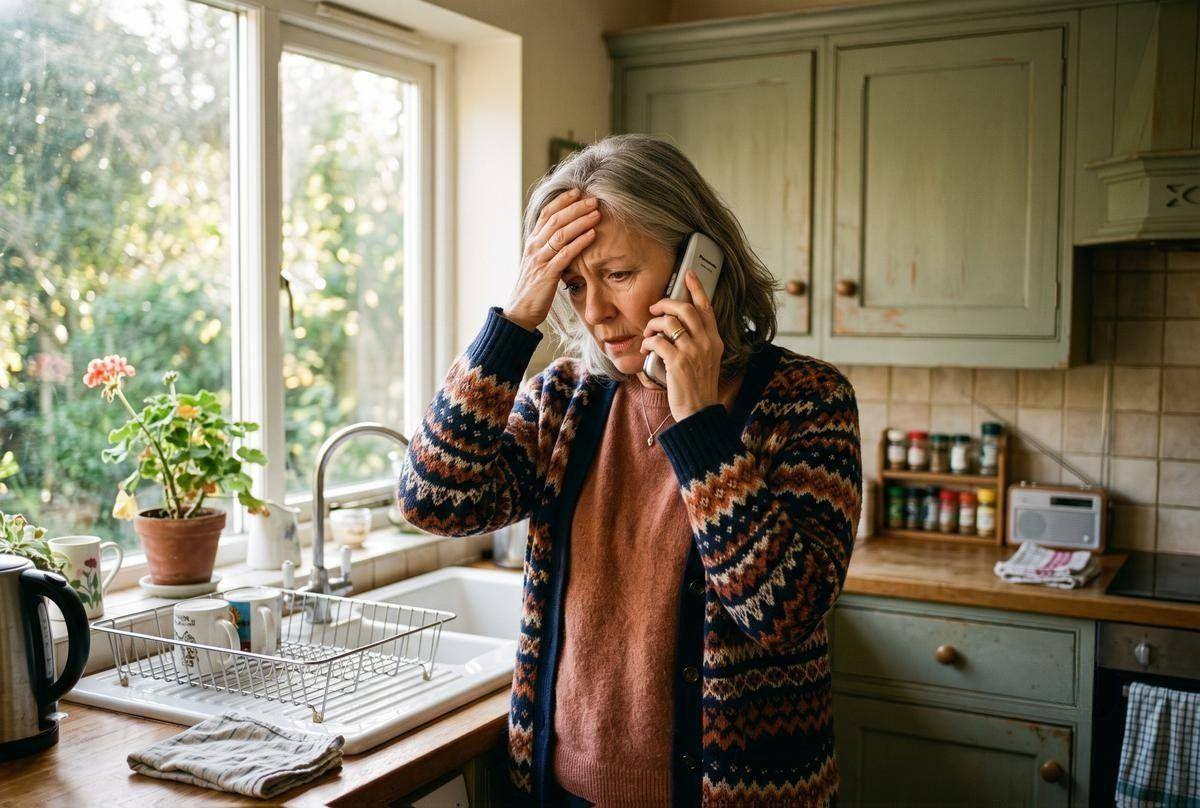
"My doctor says I have diabetes now," she said. "Type 2. And I don't know what I'm allowed to eat anymore."
Gwendolyn is seventy-one. Retired from the Buncombe County library system after thirty-two years. Sharp, funny, a little stubborn in the way of women who've been solving their own problems since before anyone thought to offer help. And she was standing in front of her own coffee cake looking lost.
I've watched this moment unfold dozens of times in twenty-five years of wellness work. The diagnosis lands, and suddenly every plate of food becomes an exam. Every number on a glucose meter feels like a verdict. The fear isn't irrational. Diabetes is serious. But the fear itself — left unchecked — can do almost as much damage as the disease.
One in Four, and Counting
According to the Centers for Disease Control and Prevention, 29.2 percent of American adults aged 65 and older have diagnosed or undiagnosed diabetes. Nearly one in three. The American Diabetes Association counts roughly 15.9 million diagnosed seniors, with another 8.7 million walking around with prediabetes they don't know about.
Type 2 accounts for 90 to 95 percent of all cases. In seniors, it develops when the body grows resistant to insulin or the pancreas can no longer keep up. Age, genetics, weight, inactivity, decades of dietary patterns. They all contribute. So does something nobody mentions in the pamphlets: the accumulated stress of a long life. Cortisol does things to blood sugar no bullet-pointed risk list captures.
What concerns me most isn't the diagnosis itself. It's the silence after. Diabetes management for seniors begins in that silence — a fifteen-minute appointment, a prescription, a handout, and a door closing behind you. Most seniors leave their doctor's office with a new medication and almost no idea how to live with what just changed.
Your A1C Target Probably Isn't What You Think
When we talk about diabetes management, the A1C number comes up fast. It measures your average blood sugar over two to three months. For younger adults with Type 2 diabetes, the American Diabetes Association recommends below 7 percent. Below seven. You see it on refrigerator magnets and clinic posters and in the voice of every well-meaning relative who's read a WebMD article.
But for seniors, the rules change. The ADA's 2024 Standards of Care recommends 7.0 to 8.0 percent for older adults with complex health histories, limited life expectancy, or vascular complications. For otherwise healthy seniors, 7.0 to 7.5 percent. The Endocrine Society's 2019 guideline pushes higher still: 7.5 to 8.0 percent for those with multiple chronic conditions, and up to 8.5 percent for seniors in long-term care.
Why the looser targets? Because in our bodies, pushing blood sugar too low is often more dangerous than letting it run slightly above a textbook number.
A retired minister named Clifton joined our wellness group in 2019. Seventy-eight, recently diagnosed, determined to get his A1C under 7 by any means necessary. He cut carbohydrates so severely he was eating plain chicken and iceberg lettuce for most meals. Lost weight he couldn't afford to lose. And one morning his wife found him on the kitchen floor, confused and sweating. Blood sugar of 47 mg/dL. Severe hypoglycemia. An ambulance ride he doesn't fully remember.
Nobody had told him the rules were different at seventy-eight.
Low Blood Sugar: The Danger No One Emphasizes Enough
Hypoglycemia, blood sugar below 70 mg/dL, kills more seniors than most people realize, and the very medications prescribed to manage diabetes are often the cause.
Symptoms: shakiness, sweating, confusion, dizziness, irritability, blurred vision, heart palpitations. In severe cases, seizures, loss of consciousness, death. A 2019 study in Diabetes Care found adults over seventy had a 70 percent higher rate of emergency department visits for hypoglycemia compared to adults fifty to sixty-nine. Seventy percent!
Sulfonylureas like glipizide (Glucotrol) and glimepiride (Amaryl) stimulate the pancreas to produce insulin regardless of whether you've eaten. Skip a meal, eat less than usual, exercise more than planned, and your blood sugar can crash. Insulin carries the same risk, amplified.
The warning signs change as we age, which is the cruelest part. A fifty-year-old in a low blood sugar episode will usually notice. Trembling hands. Racing heart. But seniors often lose those early signals. A condition called hypoglycemia unawareness means the drop happens silently. The first sign might be confusion resembling dementia, or a fall no one can explain, or behavior changes the family chalks up to a bad day.
Diabetes management means knowing these signs cold. Write the symptoms on an index card. Put it on your refrigerator. Tell the people who see you most often what to look for. Keep glucose tablets or four ounces of juice within reach. Not paranoia. Preparation.
Medications: A Plain-Language Walk Through Your Options
I am not a physician. Won't pretend otherwise. But in twenty-five years of working with seniors managing chronic conditions, I've learned most people leave the pharmacy knowing the name on the bottle and almost nothing else.
Metformin (Glucophage). The starting point for most people. It reduces glucose released by your liver and helps the body use insulin more effectively. Metformin rarely causes hypoglycemia on its own, which is one reason doctors reach for it first. Side effects: stomach upset, diarrhea, nausea, especially early on. The extended-release version (Metformin ER) causes fewer GI problems. A month's supply runs $4 to $10 with most insurance, including Medicare Part D. One thing worth knowing: metformin can lower vitamin B12 over time, and B12 deficiency symptoms look a lot like aging.
Sulfonylureas (glipizide, glimepiride, glyburide). They force the pancreas to release more insulin. Cheap, often under $10 a month. And they carry the highest hypoglycemia risk among oral diabetes drugs, especially glyburide, which the American Geriatrics Society Beers Criteria lists as a drug to avoid in older adults.
GLP-1 receptor agonists (semaglutide/Ozempic, liraglutide/Victoza, dulaglutide/Trulicity). These mimic a gut hormone triggering insulin production only when blood sugar is high, which dramatically reduces hypoglycemia risk. They also slow digestion and reduce appetite, leading to weight loss. Welcome for some seniors, a genuine problem for those already thin or dealing with muscle loss. Expensive. Ozempic lists at roughly $935 a month without insurance. Medicare Part D covers it for diabetes, but copays vary widely.
Insulin. Some seniors with Type 2 eventually need insulin when the pancreas can no longer keep up. Let me say this clearly: needing insulin is not a failure. It's biology. Long-acting insulins like Lantus and Levemir provide a steady baseline; rapid-acting ones like Humalog and NovoLog cover meals. Under the Inflation Reduction Act, insulin copays for Medicare beneficiaries are capped at $35 per month per prescription.
SGLT2 inhibitors (Jardiance, Farxiga). These cause the kidneys to excrete excess glucose. Heart and kidney protective benefits are real. But they increase urinary tract infection and dehydration risk, both already more common in older adults.
Diabetes management for seniors always comes back to this one question at any medication appointment: "What are the risks of this drug dropping my blood sugar too low at my age?"
Eating With Diabetes After 65: Enough With the Fear
Gwendolyn, standing in front of her coffee cake, was convinced she could never eat it again. She'd read online about carbohydrates being poison and white flour being the enemy of civilization. She'd already thrown out half her pantry. Her daughter had bought cauliflower rice, sitting untouched, because, as Gwendolyn put it, "I've been cooking real rice for seventy years and I'm not about to start eating that."
Good for her.
The American Diabetes Association does not recommend any single diet for diabetes management. Not keto. Not paleo. Not extreme carb restriction. A balanced approach controlling blood sugar while providing adequate nutrition. For seniors, the nutrition part matters enormously. Malnutrition in older adults with diabetes is real and underreported. Cutting too many food groups chasing a number on a meter can lead to muscle wasting, bone loss, weakened immunity.
Practical guidance from twenty-five years of watching what actually works:
- Spread carbs across meals, don't eliminate them. Three meals with 30 to 45 grams of carbohydrates each. A cup of cooked rice: 45 grams. A slice of bread: 15. An apple: 25
- Pair carbs with protein or fat. Toast with peanut butter spikes blood sugar more slowly than toast alone. A banana with almonds hits differently than a banana by itself
- Don't skip meals. Especially on a sulfonylurea or insulin. Skipping lunch to "save" carbs for dinner is a recipe for a 3 PM crash
- Fiber slows everything down. Black beans, lentils, oatmeal, sweet potatoes with the skin. The ADA recommends 25 to 30 grams daily; most Americans get half
- Hydrate. High blood sugar causes frequent urination, which causes dehydration, which worsens blood sugar. The cycle feeds itself. Staying active helps too, and even gentle movement like a few yoga poses can improve insulin sensitivity
A registered dietitian specializing in diabetes (look for the credential CDCES) is worth finding. Medicare Part B covers Medical Nutrition Therapy for diabetes: up to three hours of initial counseling and two hours of follow-up per year, at no cost beyond your Part B deductible. Only about 5 percent of newly diagnosed Medicare beneficiaries use this benefit, according to Academy of Nutrition and Dietetics data from 2022.
Five percent! I still can't believe it.
Gwendolyn ate a piece of her coffee cake the following Tuesday. A small piece, with black coffee and scrambled eggs she'd brought in a container. Checked her glucose two hours later: 158 mg/dL. Not perfect. Manageable. She looked at me and said, "I can work with that."
Your Glucose Meter Is a Tool, Not a Jury
I've watched people develop a relationship with their meter somewhere between obsession and dread. Checking twelve times a day. Panicking over a reading of 165. Hiding the meter in a drawer when numbers are bad, as though not looking changes the reality.
In practical diabetes management, the ADA suggests most seniors on oral medications checking fasting blood sugar in the morning and occasionally after meals, particularly when starting new medication or adjusting diet. Fasting target: 80 to 130 mg/dL. Two hours after eating: below 180 mg/dL. Your doctor may set wider ranges given the senior-specific A1C goals I mentioned. Ask for your numbers in writing.
Continuous glucose monitors are worth mentioning. The Dexcom G7 and FreeStyle Libre 3 attach to your arm, read glucose every few minutes, send data to your phone. No finger sticks. Medicare Part B covers CGMs for beneficiaries on any diabetes medication, expanded from insulin-only coverage in 2023. Out-of-pocket cost: typically $30 to $75 monthly for sensors.
Actually, one caveat. A constant stream of data can increase anxiety without context. Blood sugar rises after every meal. Drops during exercise. Bounces at night. All normal. A CGM shows every ripple, and without your doctor or a diabetes educator helping interpret patterns, ripples feel like waves.
What Medicare Covers for Diabetes
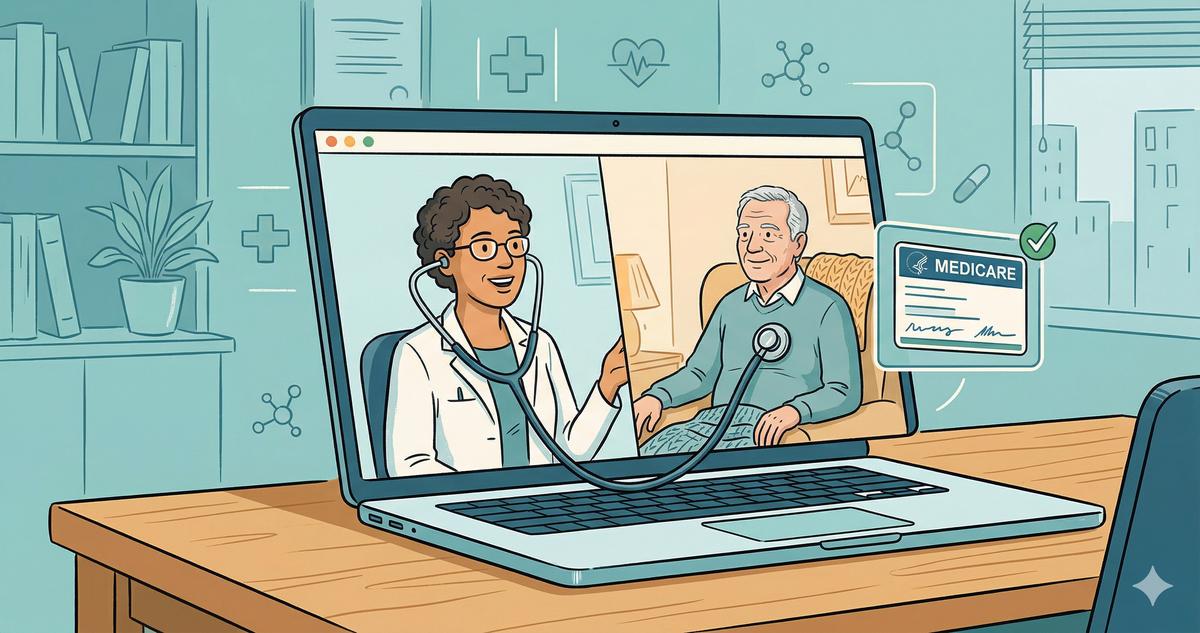
The gap between what Medicare covers for diabetes management and what people actually know about is wide enough to hurt! (Use our Medicare coverage checker to confirm whether a specific test, medication, or device is covered before you assume it isn't.)
Part B: glucose meters, test strips, lancets, CGMs, insulin pumps, therapeutic shoes (one pair annually for qualifying foot conditions), Diabetes Self-Management Training (up to ten hours year one, two hours each year after), Medical Nutrition Therapy, and Annual Wellness Visits where diabetes monitoring should be part of the conversation.
Part D: insulin (capped at $35/month under the Inflation Reduction Act), oral medications (metformin, sulfonylureas, SGLT2 inhibitors), GLP-1 drugs when prescribed for diabetes.
Not covered: over-the-counter glucose tablets, most supplements, gym memberships (though some Medicare Advantage plans include SilverSneakers).
For meters and strips, you'll order through a Medicare-approved supplier rather than a retail pharmacy. If cost is a barrier, and for many people on fixed incomes it absolutely is, ask about manufacturer patient assistance programs. Eli Lilly, Novo Nordisk, and Sanofi all operate programs capping insulin costs. The NeedyMeds database at needymeds.org lists them by medication.
When to Adjust Treatment
Diabetes management isn't static. What works at sixty-six may not work at seventy-four. The kidneys matter because many diabetes drugs are processed through them, and kidney function declines with age. Your doctor should check your GFR (glomerular filtration rate) at least annually, ideally as part of your routine preventive screenings. Metformin, for example, should be discontinued if GFR drops below 30 mL/min.
Bring these to your doctor without waiting to be asked: two or more low blood sugar episodes in a month, a stable A1C suddenly spiking, frequent nausea or GI distress, a fall or near-fall, declining kidney function results, or changes in eating patterns after illness or surgery. Your medication dose likely needs adjusting.
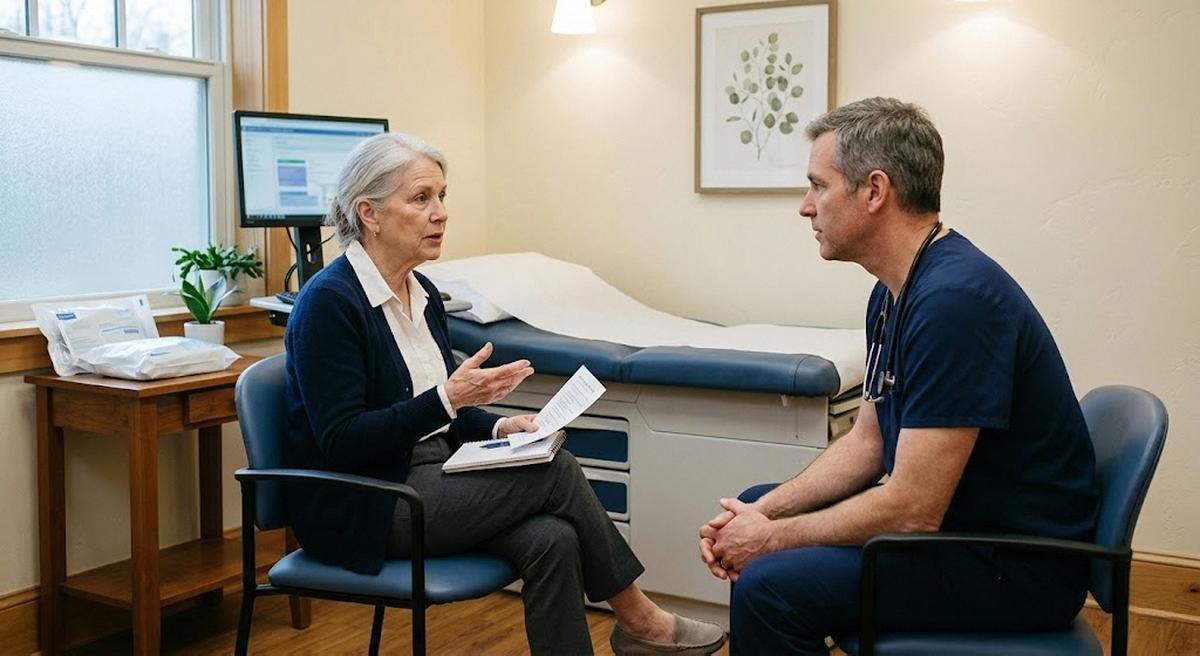
"Your doctor can't fix what you don't report." I've said those words more times than I can count. Every odd feeling, every skipped meal with a shaky afternoon, every morning where the meter surprised you. Write it down. Bring the list. A prepared patient gets better care.
What I Told Gwendolyn
I drove home after our Tuesday circle thinking about Gwendolyn's face when she looked at her coffee cake. The bewilderment. The grief, almost, of feeling like something familiar had become forbidden.
The next week, I brought her a book. Not a diet book. Not a diabetes manual. The Diabetes Cookbook by the American Diabetes Association. Real recipes. Cornbread. Chicken and dumplings. Sweet potato pie not so different from my mother's, just a little less sugar and a little more cinnamon. I handed it to her and said, "You can still cook. You just have to pay a little more attention."
Diabetes management for seniors isn't about perfection. Checking the numbers. Taking the medication. Eating meals worth sitting down for. Asking questions when things change. And forgiving yourself on the days the reading is 195 because you had a piece of cake at your grandson's birthday party and life is short enough already.
My mother, in the years before Alzheimer's took her words, used to say, "Take care of the body carrying you." No drama. No lecture. A fact as plain as morning.
Take care of the body carrying you. It has brought you this far, and with a little attention, a little patience, and the right people walking alongside you, it will carry you further still.